About Chilika Lake
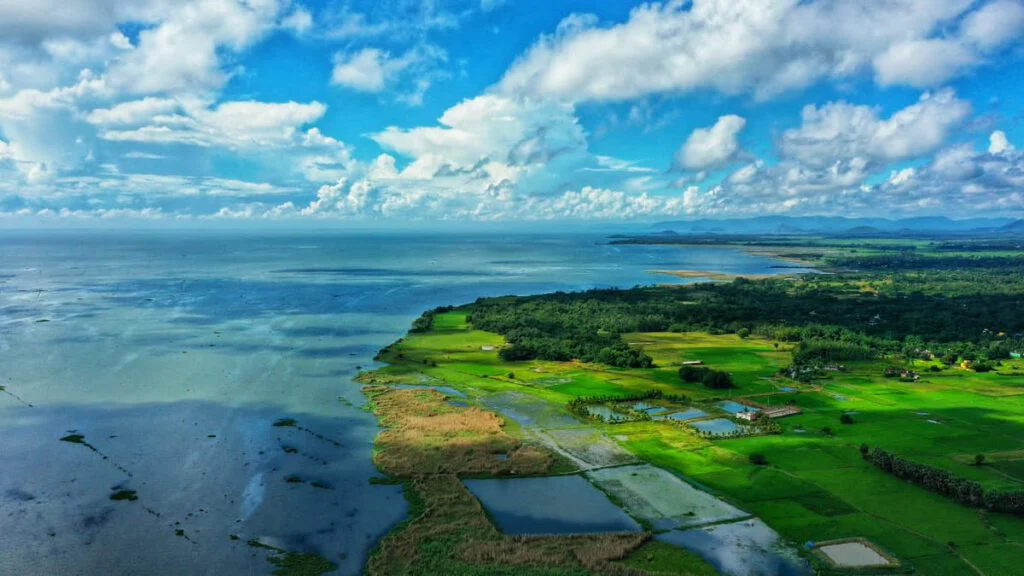
Chilika Lake is Asia’s largest coastal lagoon, stretching over 1,100 square kilometres across Puri, Khordha, and Ganjam districts of Odisha. Separated from the Bay of Bengal by a 60 km sand bar, this shallow brackish water lake is an internationally significant Ramsar Wetland and one of India’s most diverse wildlife habitats.
Why is Chilika Famous?
Chilika is home to the endangered Irrawaddy dolphin — one of the few places in the world where they can be spotted from small boats. Between November and February, the lake hosts over 1 million migratory birds from Central Asia, Siberia, Iran, Iraq, Afghanistan, and the Himalayas — including flamingos, herons, painted storks, grey pelicans, and bar-headed geese.
Historical & Cultural Importance
The Kalijai Temple, located on an island in the middle of the lake, is a beloved pilgrimage site. According to legend, a young bride drowned here and was deified by devotees. The lake has sustained fishing communities for centuries — the Chilika Development Authority works with these communities to balance conservation with livelihood.
The Visitor Experience
A morning boat ride from Satapada or Rambha is the highlight of any Chilika visit. Watch for Irrawaddy dolphins surfacing as fishermen cast nets, spot hundreds of flamingos wading through shallow sections, and drift past lotus beds. The evening light on the lake turning amber is extraordinarily beautiful.
Why It’s Worth Visiting
Chilika offers an experience that few places in India can match: abundant wildlife, pristine water, and a deep cultural context — all within 100 km of Bhubaneswar. The combination of dolphin watching, bird spotting, island temples, and spectacular sunsets makes it essential for any Odisha itinerary.