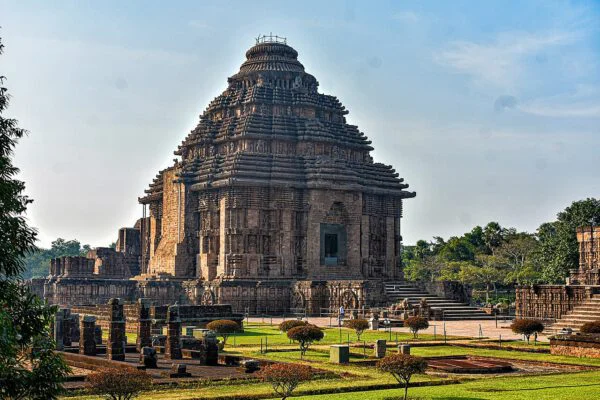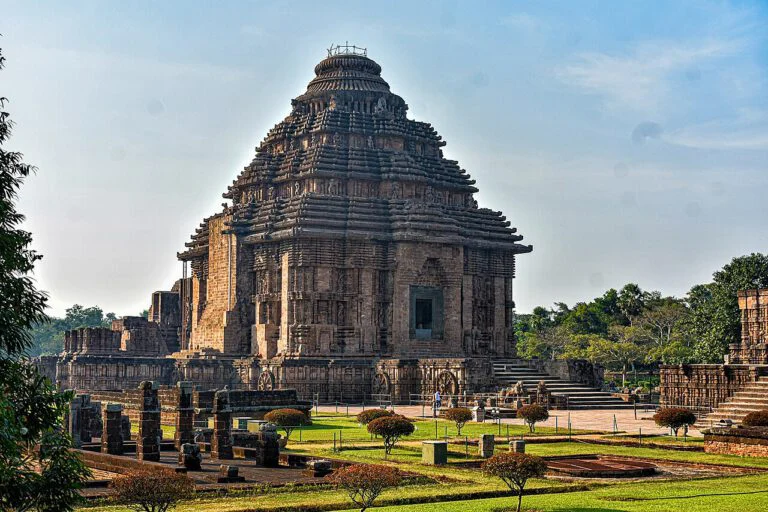
About Dhauli Hills
Dhauli (meaning white in Odia) is the rocky hill near Bhubaneswar where one of history’s most consequential battles was fought — the Kalinga War of 261 BCE. It was here that Emperor Ashoka’s victory over the Kalinga kingdom resulted in such massive carnage that the emperor renounced violence and embraced Buddhism, transforming his empire and influencing Asian civilisation for millennia.
Historical & Cultural Importance
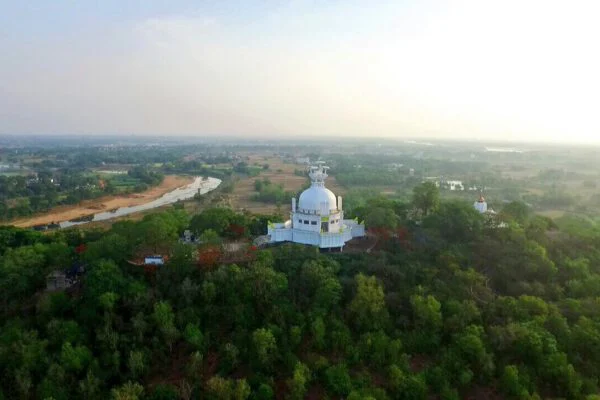
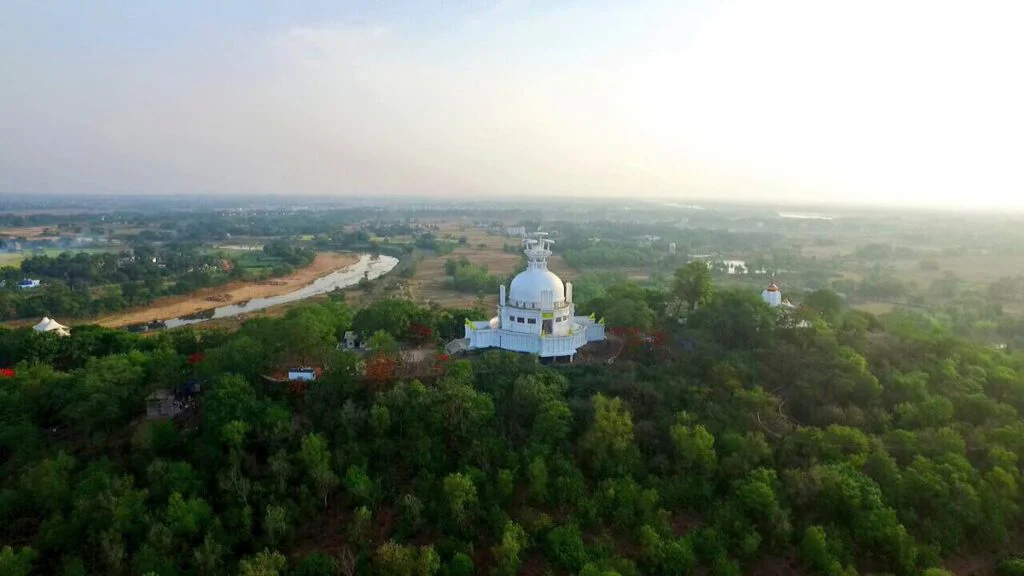
Dhauli houses the oldest rock edicts of Emperor Ashoka — inscriptions carved directly into a natural rock face, declaring Ashoka’s conversion to dhamma (righteousness). The site also features a remarkable carving of an elephant emerging from the rock — symbolising Buddhism. At the summit stands the magnificent Shanti Stupa (Peace Pagoda), built in 1972 by Japanese Buddhists, with stunning white-domed stupas and medallions depicting the life of Buddha.
The Visitor Experience
Visiting Dhauli is a meditative experience — walking up the gentle hill, reading Ashoka’s edicts in the original rock, and reaching the glowing white Peace Pagoda with panoramic views over the Daya River and Bhubaneswar below. It’s one of the most peaceful and historically profound places in all of India.
Why It’s Worth Visiting
Few places in the world allow you to stand exactly where one of history’s greatest transformations occurred. Dhauli is not just a heritage site — it is the birthplace of the idea that conquest by righteousness is greater than conquest by war. For history enthusiasts and spiritual seekers alike, it is unmissable.