About Lingaraj Temple
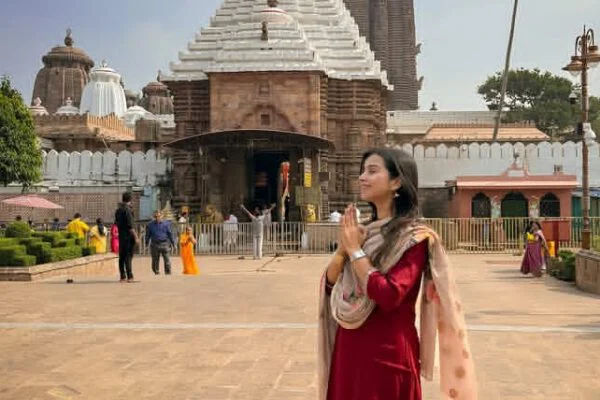
The Lingaraj Temple is Bhubaneswar’s largest and most revered temple, dedicated to Tribhuvaneshvara (Lord of the Three Worlds) — a composite form of Shiva and Vishnu. Built in the 11th century CE by the Somavamshi dynasty in classic Kalinga architectural style, its 55-metre (180 ft) shikhara (tower) dominates the Bhubaneswar skyline and is visible from kilometres away.
Architectural Magnificence
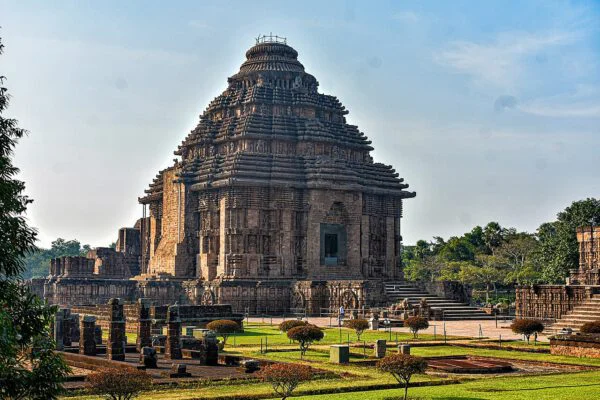
The temple complex covers over 250,000 square feet and houses 150 smaller shrines. Its deul (main tower) is an outstanding example of Deula-style Kalinga architecture — the horizontal mouldings (bhumis), curved shikhara, and the amalaka (ribbed disc) at the top are defining features. The intricacy of the stone carvings rivals Konark — with musicians, dancers, elephants, and celestial figures carved across every surface.
Historical & Cultural Importance
Lingaraj has been an active place of worship for over 1,000 years. The main deity is a naturally-occurring svayambhu (self-manifested) Shivalinga, revered with sacred water from the Bindu Sagar tank. The temple’s annual Shivaratri celebration attracts hundreds of thousands of devotees. British historian James Fergusson called it ‘the finest specimen of Orissan architecture in existence.’
The Visitor Experience
Non-Hindus can view the temple from the observation platform maintained by the ASI. For Hindu visitors, entering the complex reveals an extraordinary world of continuous worship — the temple kitchen (mahaprasad) serves sacred food to thousands of devotees daily, following unchanged rituals from the 11th century.